
Torres del Paine Trekking: the enigmatic, surreal trek in the heart of Chilean Patagonia. A land so breathtakingly beautiful it makes your camera weep. But behind all that jaw dropping scenery lies something no one warns you about, the logistics. The infamous W and O treks are as stunning as they are confusing. I spent days squinting at maps and websites back from my sunny home in India, trying to decode how the whole system worked. Campsites? Refugios? Park entries? It felt like applying for a visa to Middle earth.
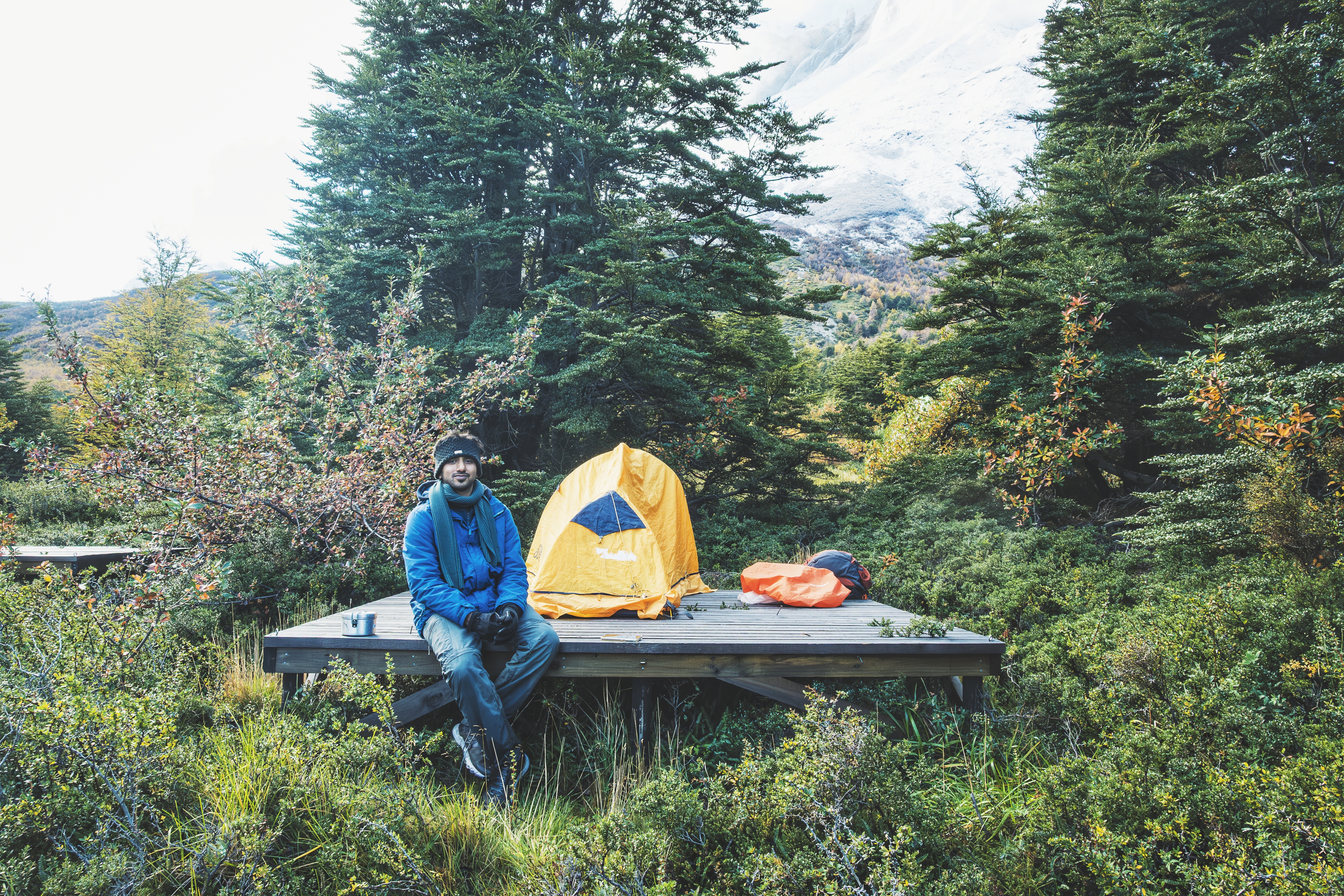
And yet, somehow, I ended up not just trekking through this wild wonderland, but camping all alone, completely by accident. In one of the most popular trekking destinations on the planet, where beds and tents get booked months ahead, I found myself the only human in sight. Just me, a patch of forest, and the whisper of Patagonia’s restless wind.
All because I had to do it the unconventional way, booking accommodation right at the tail end of the trekking season, just days before everything shut down. It wasn’t some bold, spontaneous plan. It was pure bad timing, courtesy of the Chilean consulate, which held onto my visa for two whole months and released it just as Patagonia was closing its doors for winter.
By the time I arrived, the park was practically packing up. The day I pitched my tent at Camp Italiano was no exaggeration, the last day it was open: April 30. That night, under a sky so full of stars it almost looked fake, I lay awake listening to the wind claw at my tent and wondered what on earth I’d gotten myself into.
After that lonely night that ended with a brief panic attack, I walked 18 km the next day without seeing a single human soul. Not one hiker, not one ranger… just me, and the howling wind. Tears were actually running down my face when I finally spotted a moving car, kilometers away.
Before the trek, kind Redditors and Twitter folks reassured me:
“Don’t worry, you’ll still meet some hikers in the park even after it is closed for the season.”
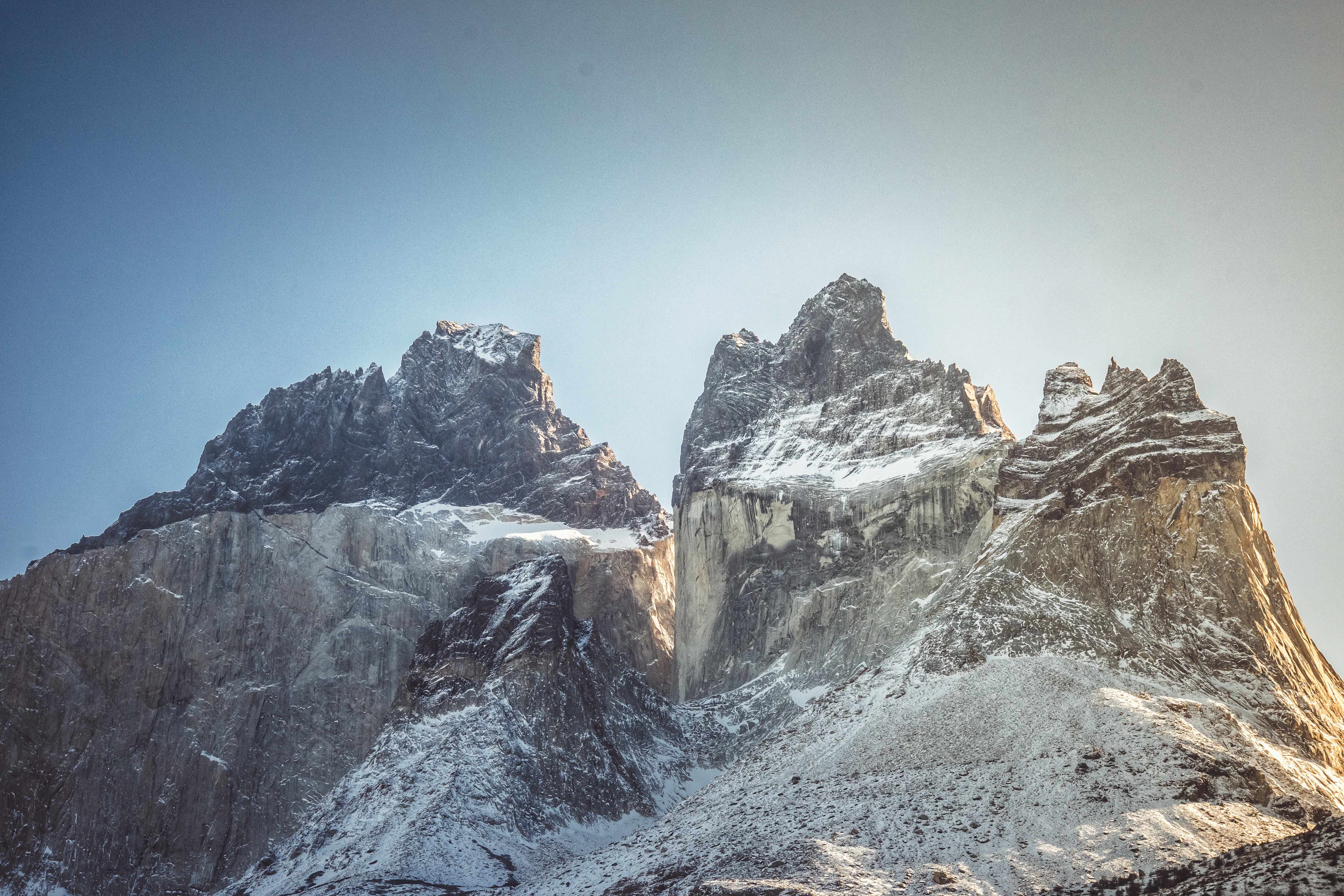
But fate had other plans, everyone else took the last boat back to civilization. I was supposed to see the iconic granite towers of Torres del Paine mountain, but I didn’t. The path I intended to take looked like the letter W… but somehow turned into an L. Still, I spent four unforgettable days in that mesmerizing land, and came back with a few notes for others on what and what not to do.
What Are the O Circuit and W Trekking?
For travelers just beginning their Patagonia adventure, the O Circuit and W Trek are the two iconic routes through the breathtaking Torres del Paine National Park (TDP) in southern Chile, right next to the Argentinian border.
The O Circuitis the full loop, a challenging 8–9 day trek that circles the park in an anti-clockwise direction, starting and ending at Central. If you want to call it quits early, you can hop on a boat from Paine Grande and skip the last section (no judgment here).
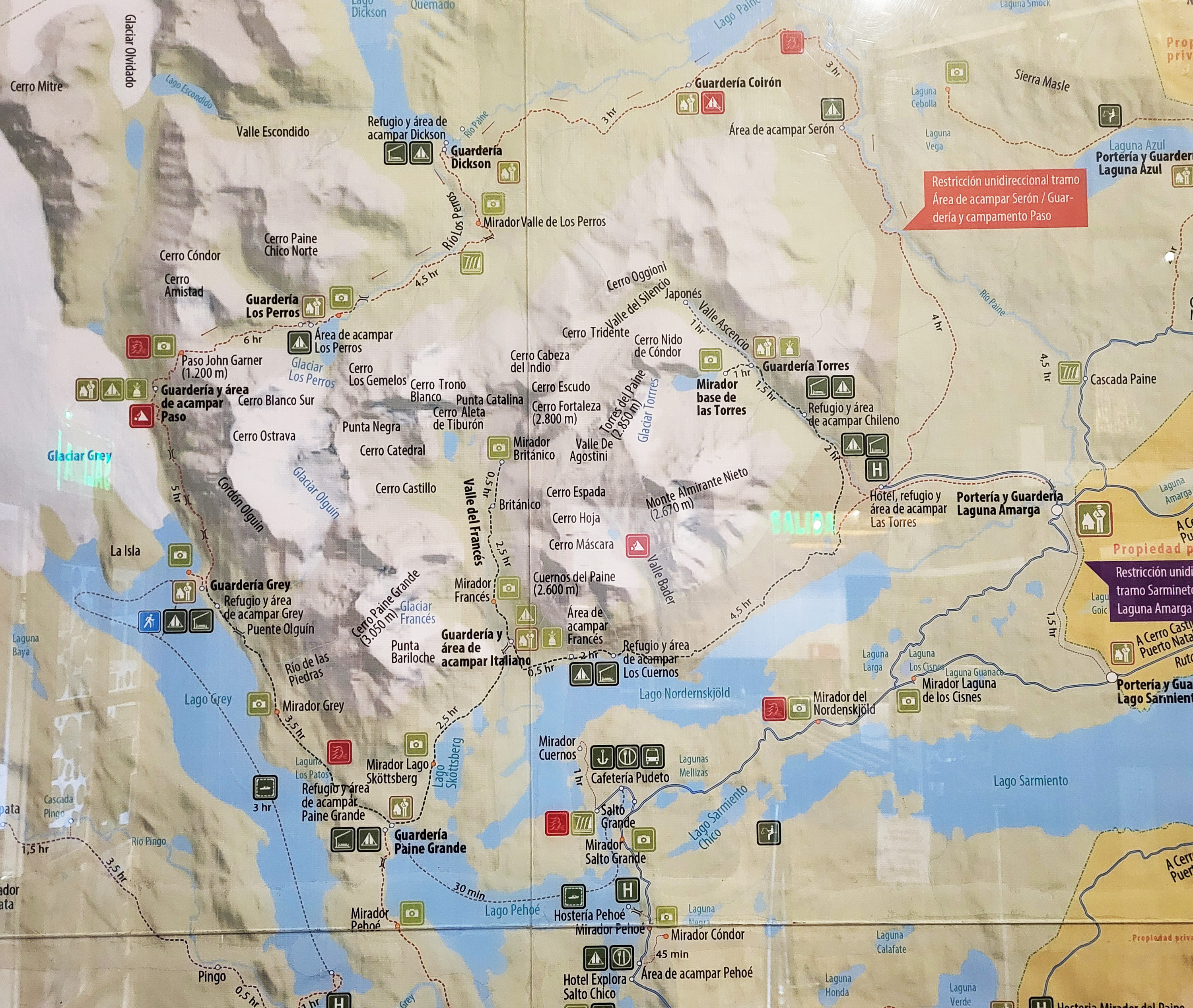
The W Trek, on the other hand, is a shorter and more popular section within the O Circuit. It takes 4–5 days to complete and can be done either west to east, from Paine Grande to Central/Las Torres (like I did) or the opposite way.
Some overachievers I met on the trail managed to do Paine Grande → Camp Grey → back to Paine Grande → Central in just three days. Unless your idea of fun is turning a national park into your personal treadmill, I strongly suggest taking your time.
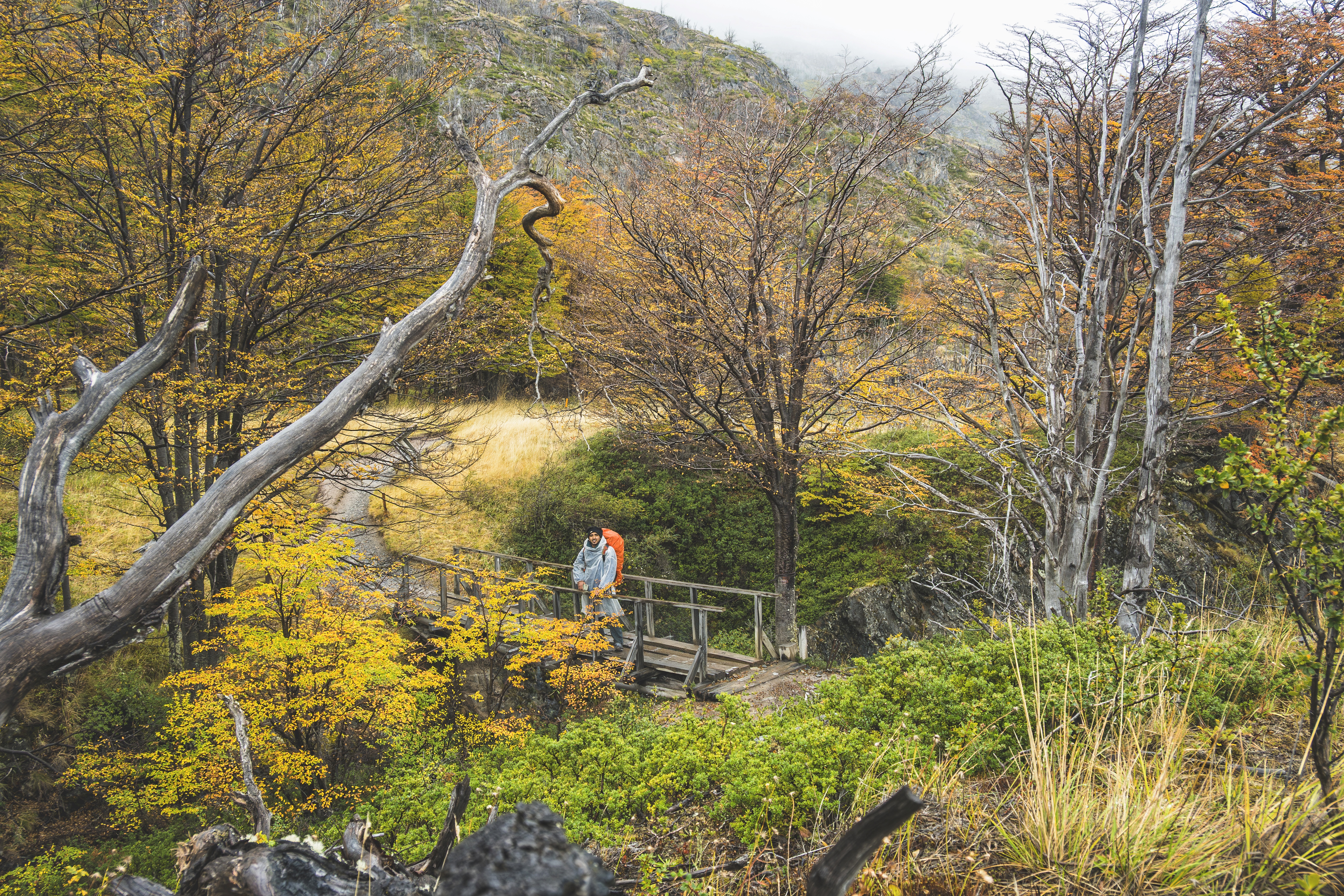
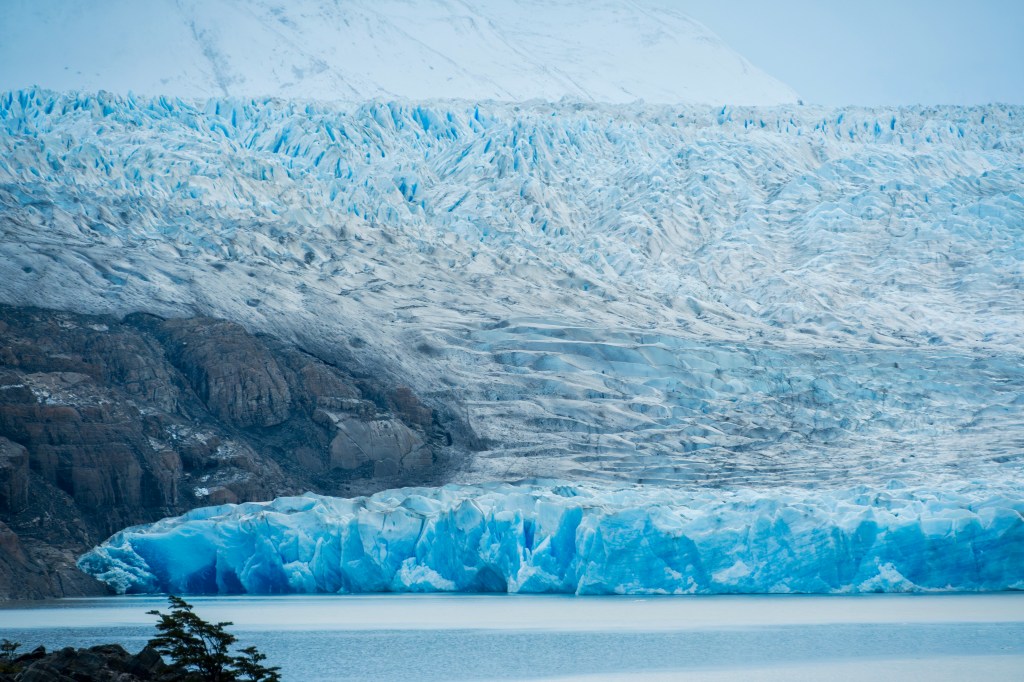
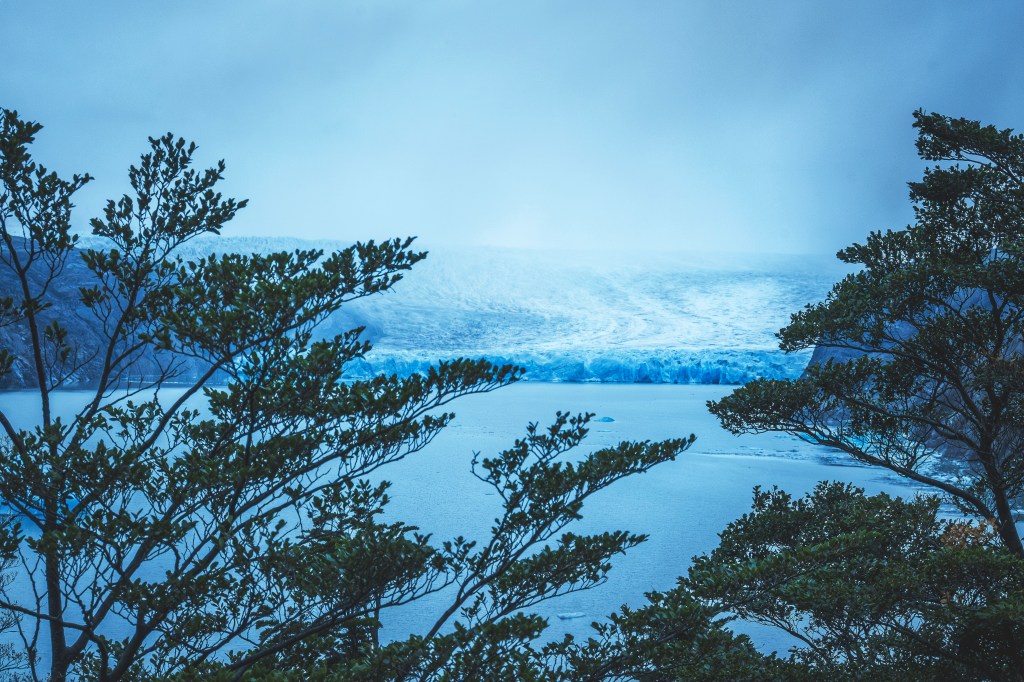
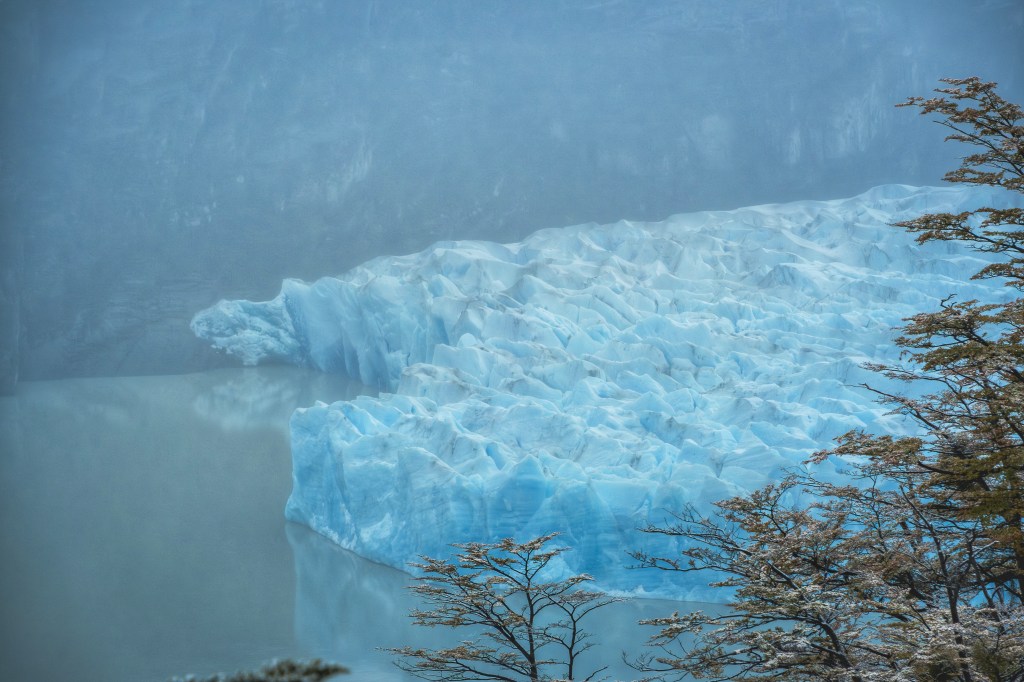
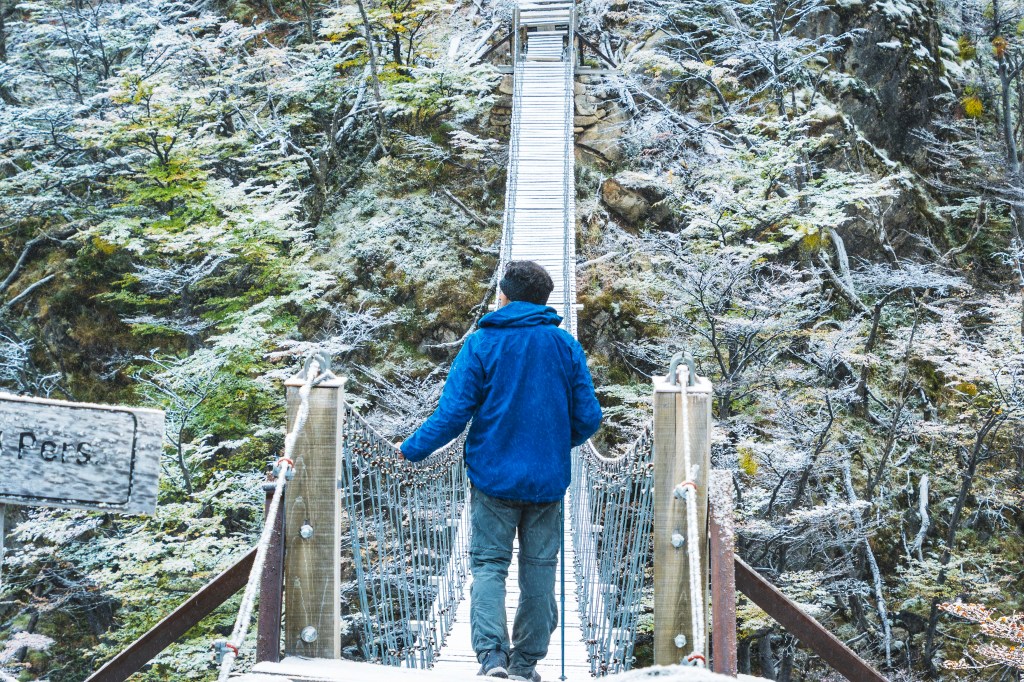
A quick glimpse of the majestic Grey Glacier isn’t nearly enough to absorb everything this surreal land has to offer. Spend a night at Camp Grey, and hike up to the second hanging bridge, where you can stand in awe as the glacier stretches endlessly before you.
Catamaran
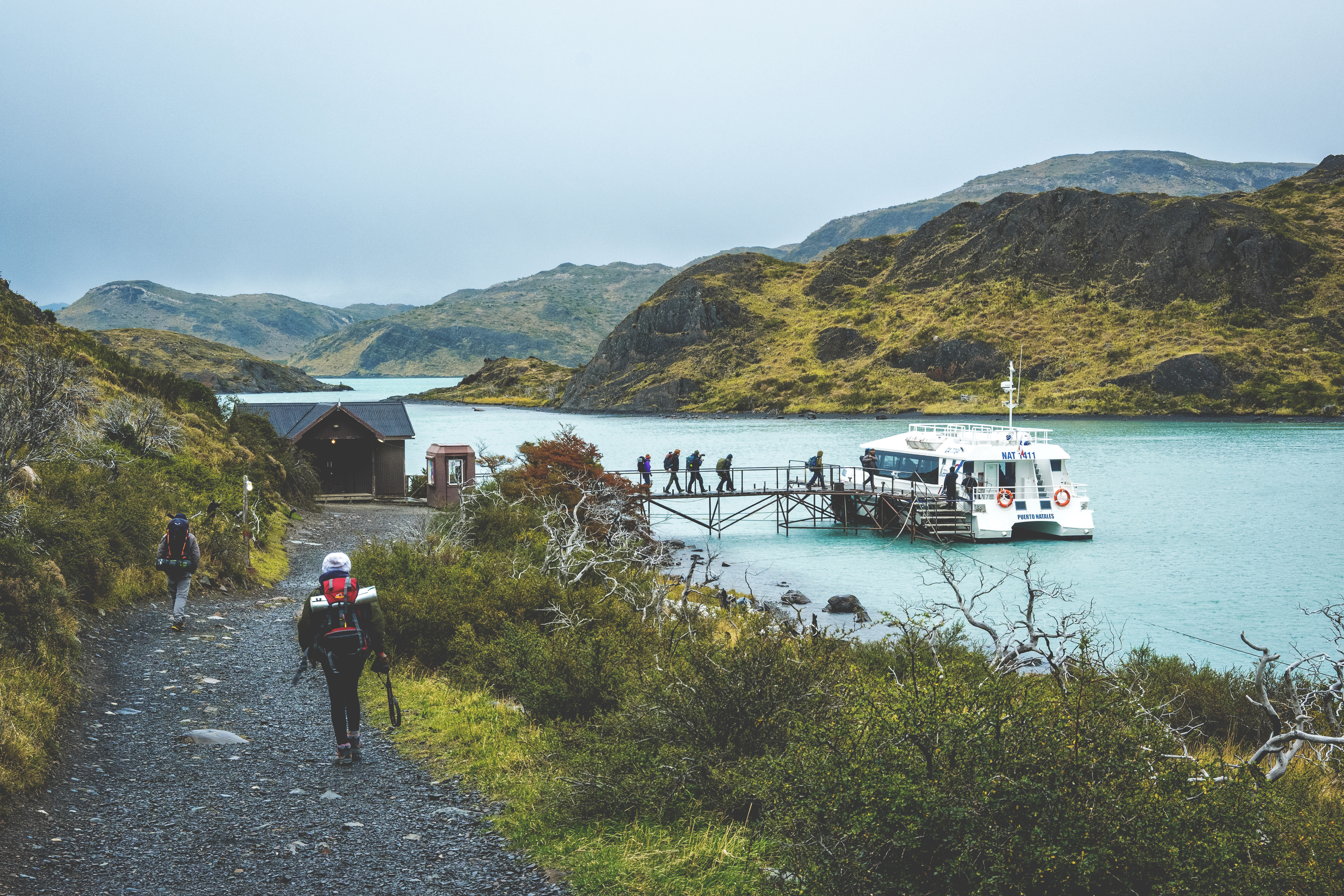
If you’re doing the W Trek, you’ll need a one-way boat to or from Paine Grande, unless you plan to backtrack your route. The Pudeto–Paine Grande boat service stops running when the park shutdown, and tickets can be purchased right at the dock for about 25,000 pesos.
When to Go
The park officially opens from September 1st to April 30th. The O Circuit closes earlier, on March 31st, while the W Trek remains open until the end of the season. After that, you can only enter the park through a guided tour, which is way more expensive than doing it solo. (Though honestly, once you’re inside, no one really checks when you leave.)
During my planning spree, I found only one blog where the writer mentioned doing the trek in May without a tour, so if you manage it, congratulations! You’ve joined a very elite and slightly reckless club.
How to Reach: The Gateway Town
The charming little town of Puerto Natales, sitting by the Pacific Ocean, is your gateway to Torres del Paine from the Chilean side. It’s cozy, scenic, and full of life during the trekking season.
Here you’ll find everything you need , from budget hostels to boutique hotels, gear rental shops, and trekking supply stores. The offices of Vertice and Las Torres (the two companies that run all the park accommodations) are conveniently located across the street from each other. If you arrive in town without pre-booked accommodations, try your luck from their office. That’s exactly what I did, and somehow, it worked.
How to Get to the Park Entrance
From Puerto Natales, it’s about a 2.5-hour bus ride to the park. By the end of the season, there was only one bus in the morning at 7:00 a.m. from the main bus station, so plan accordingly.
Accommodation – The Tricky Part
What makes this entire trek both confusing and challenging is accommodation. Whether you’re pitching your own tent, staying in a refugio (a cozy mountain lodge), or using a pre-pitched tent, you’ll need bookings for every night of your trek to gain entry to the park (or so I was told). And yes, they sell out months in advance.
- Vertice Patagonia (manages Grey, Paine Grande, Dickson, and Los Perros camps)
- Las Torres (manages Serón, Central, Chileno, Cuernos, and Francés)
Even if you’re pitching your own tent, you still need to book a spot through them.
But I didn’t have bookings for the last two nights of my journey and yet they still let me in! Maybe the rangers were just more relaxed as the season was ending.
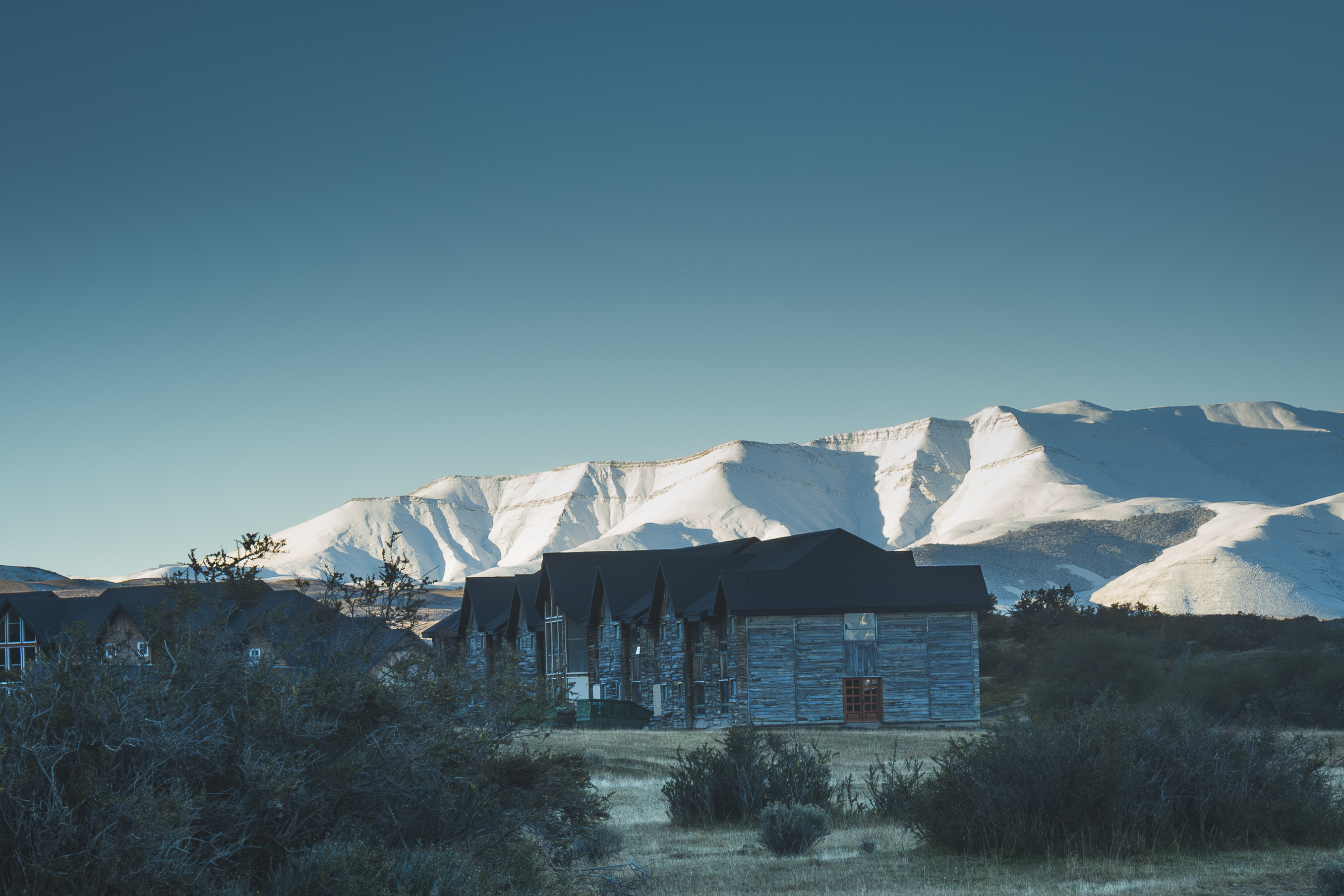
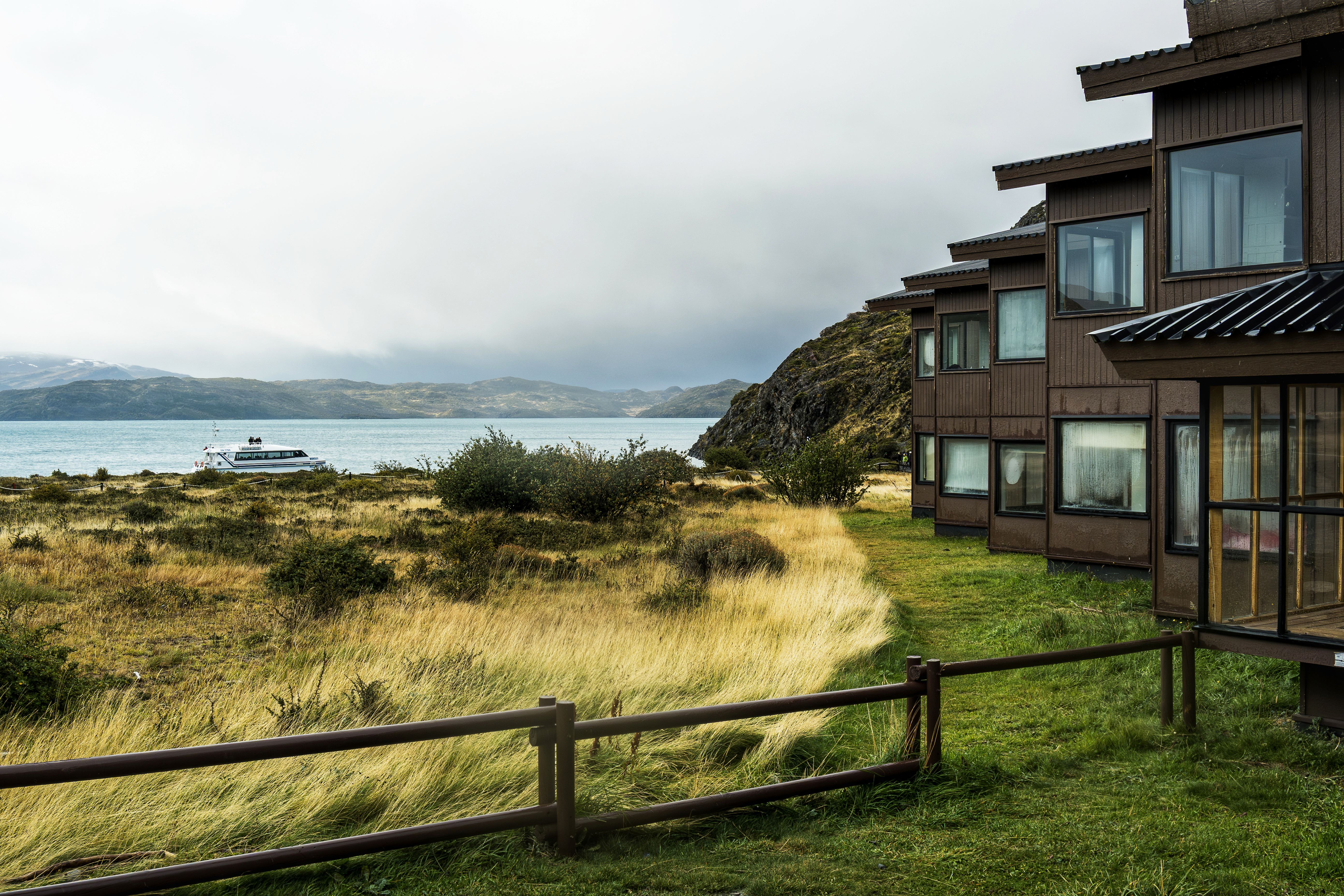
When I arrived in Puerto Natales, Vertice’s website showed no availability. But when I visited their office in person, I was able to book Refugio Grey and Refugio Paine Grande directly. They couldn’t guarantee meals at the refugios, so I decided to bring my own food just in case.
My Unconventional Accommodation Adventure
Although the park officially closed on April 30th, I managed to book park tickets from April 28th to May 2nd, which left me confused about where to stay on the last two nights.
Book your park tickets from Pasesparques website
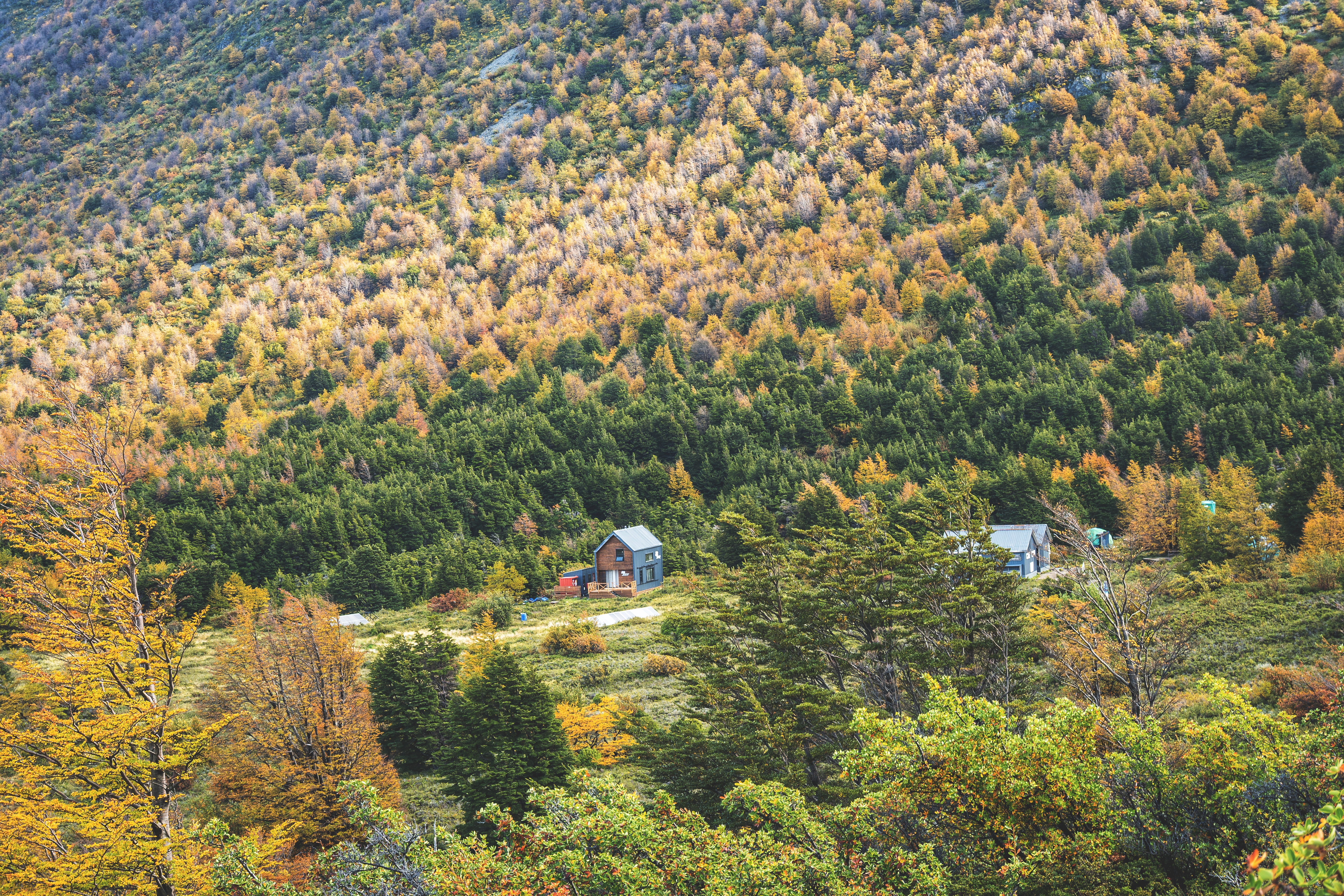
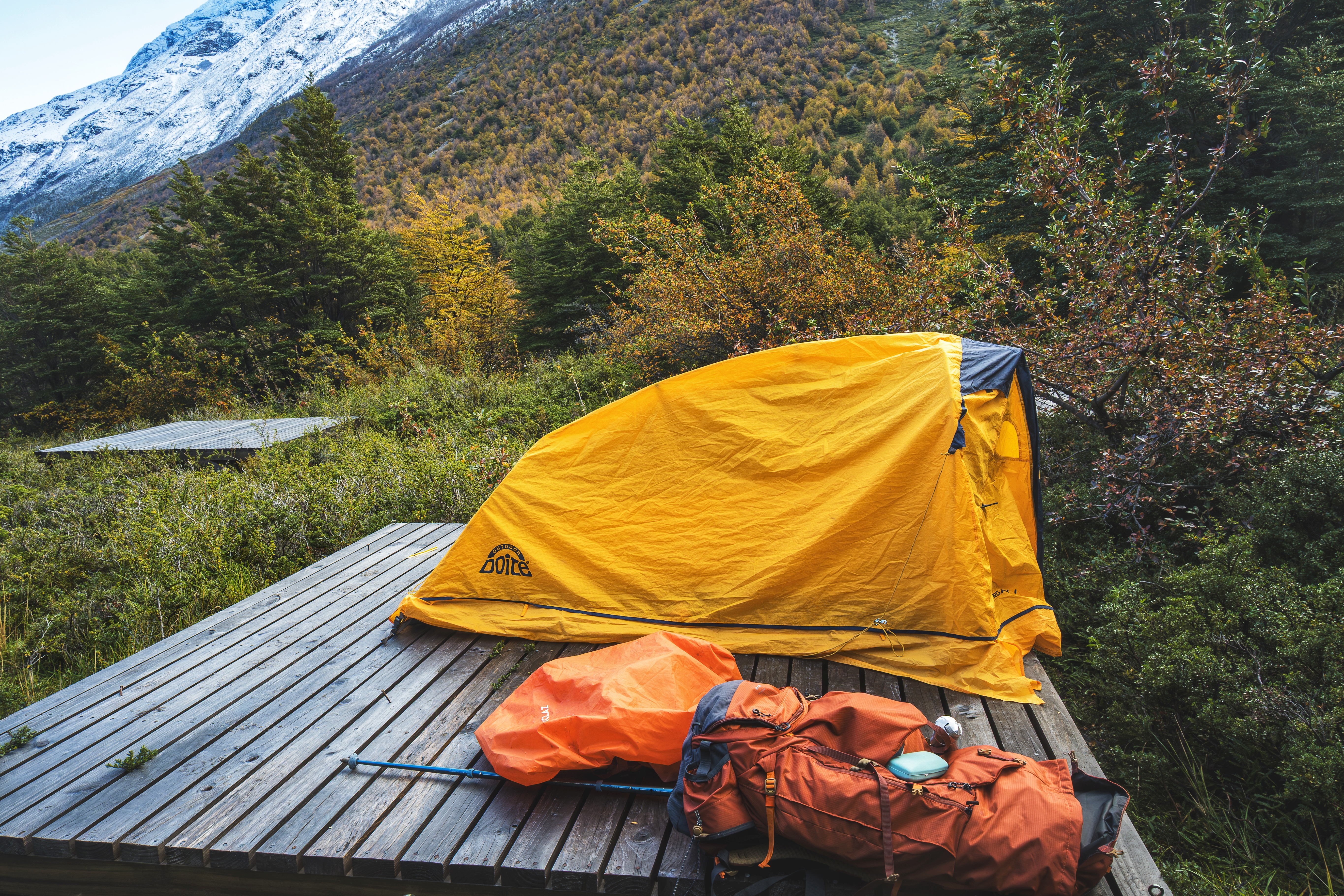
On the 30th, I ended up pitching my tent at Camp Italiano for free! I was this close to turning back to Paine Grande after realizing I’d be completely alone in the woods. But thanks to some encouraging words from a guide who was catching the last boat of the season, I decided to stay.
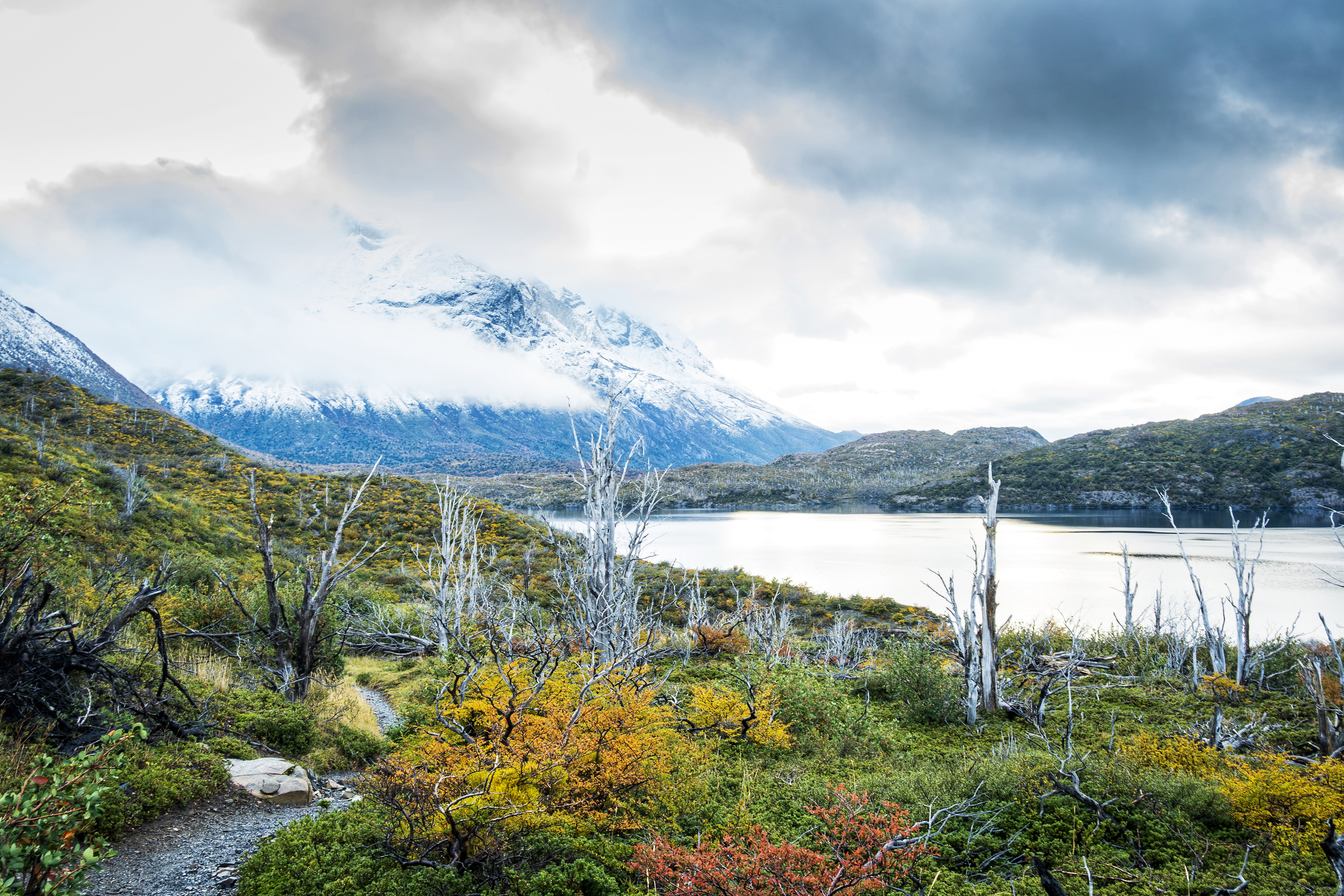
By the evening of May 1st, I reached Central, but 24 hours alone in the forest with just wild animals for company and a throbbing pain from my sprained ankle had me dreaming of civilization again. So I skipped the final leg to Mirador Las Torres and hitched a lift back to Puerto Natales as there were no buses. I wasn’t even sure if I could trek to Mirador Las Torres, because people I met in the van told me there was a guard on the trail checking whether hikers were part of a guided tour. And that’s how my W Trek became an L Trek.
My biggest advice for anyone who might end up in a similar situation? Be prepared for anything. I still think about what could’ve happened if my sprained ankle had gotten worse. There’s no phone signal out there, no guard, and the only help would’ve been to crawl all the way back to Camp Central.
What to Pack
Depending on your accommodation, decide whether to rent or bring your tent and sleeping bag.
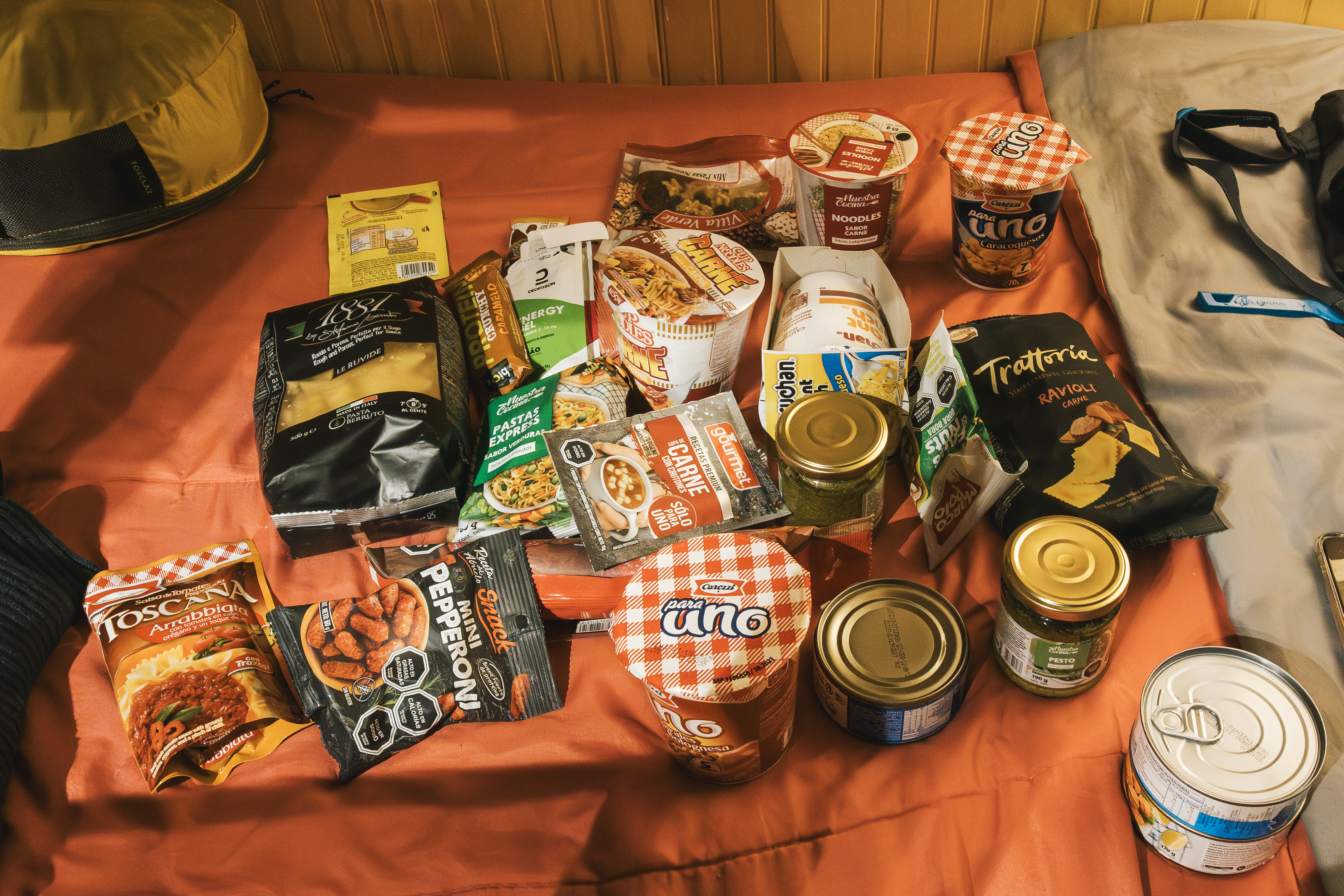
Wherever there’s a refugio, you can usually buy food even if you’re not staying there. If you’re planning to cook, bring your own pot; I couldn’t find one for rent. Portable gas stoves can be rented in Puerto Natales, and supermarkets there sell almost everything you might need. I even packed some delicious pre-cooked sausages.
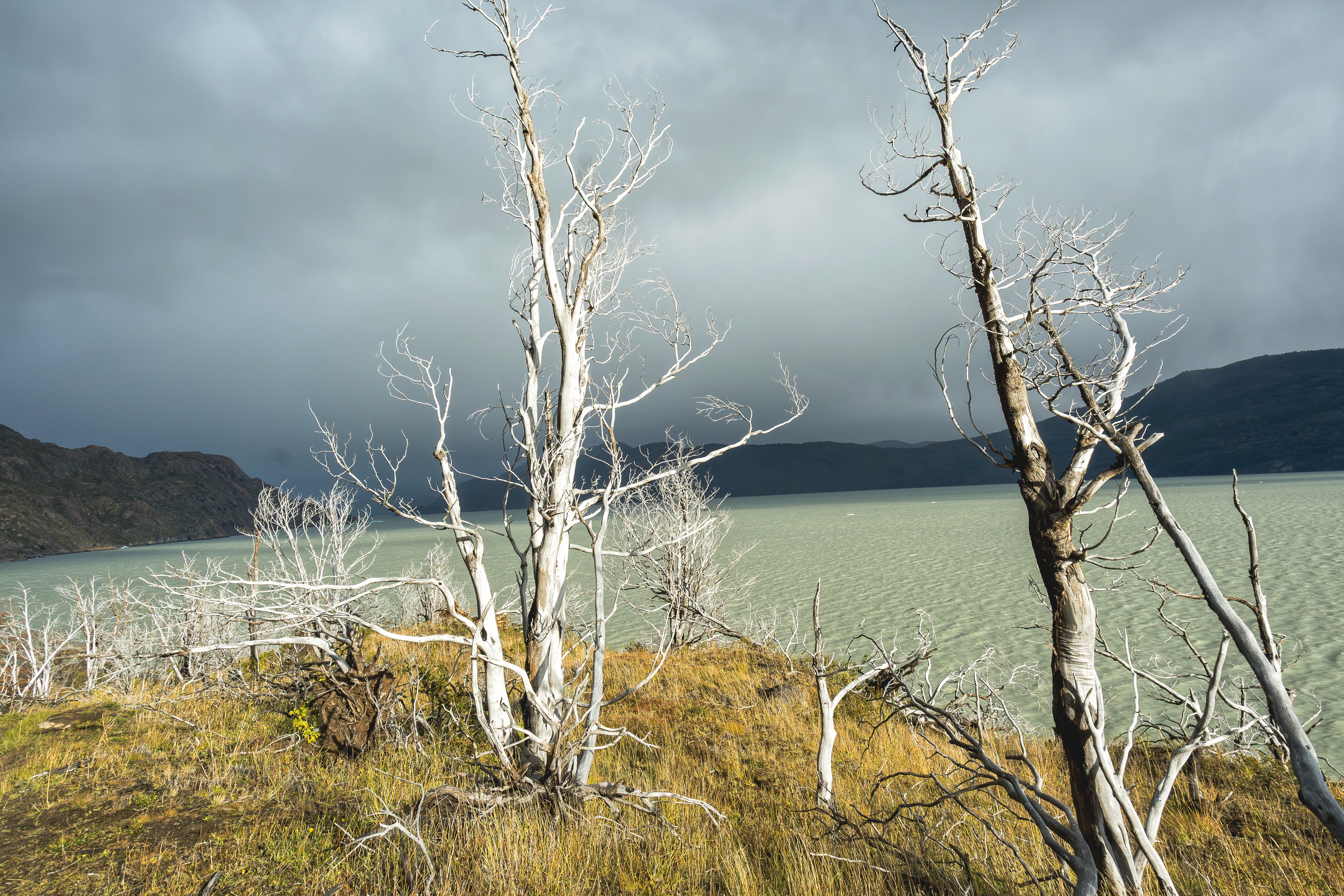
Never cook food on the trails un designated areas, it can cause wildfires like the one in 2019, which destroyed large sections of forest on the western side. You can still see the scars today.
Finally, bring lots of layers. Patagonia is one of the windiest places I’ve ever been, and an ear muffler or headband is a great idea to keep your head from aching in the gusts.



 Notes From Dreams