Vietnam has always fascinated me, ever since I was a kid. Reading about how this tiny peasant country triumphed a superpower in a war was nothing short of legendary. The Land of the ascending dragon has been at the top of my travel list ever since. So, when my wife suggested this incredible Southeast Asia gem for our next vacation, I knew we had to experience the best of Vietnam within our 10-day adventure.
What makes Vietnam an amazing travel destination is that there’s truly something for everyone. Beach bums can bask in the sun on the quaint shores of the Cham Islands. History buffs can wander through ancient pagodas and the enchanting, UNESCO-listed yellow town of Hoi An. Nature enthusiasts can cruise emerald waters dotted with hundreds of rugged islands, caves, and islets. And foodies, oh boy, they can indulge in a culinary journey in a country renowned for its delectable cuisine. Vietnam is one of the most diverse countries, offering countless experiences that will leave you with memories for a lifetime.
Despite its seemingly modest size on the map, Vietnam is surprisingly vast. A journey from Hanoi in the north to Da Nang in the center takes over 17 hours by train. Keep this in mind when planning your trip, as covering the entire country in a short time is quite the challenge. We recommend focusing on any two of these three regions – north, central, or south – if you have just a couple of weeks. But we ambitiously aimed to cover the length of the country as much as possible in our 10-day adventure, and it looked like this:
Itinerary
| Day | Notes |
| 1 | Arrive in Hanoi, Hanoi sightseeing |
| 2 | Hanoi – Hạ Long Bay – Hanoi |
| 3 | Hanoi |
| 4 | Da Nang – Hoi An |
| 5 | Cham Islands or Hoi An |
| 6 | Cham Islands or Hoi An |
| 7 | Hoi An – Ba Na Hills or Hue – Hoi An |
| 8 | Ho Chi Minh City (Saigon) |
| 9 | Ho Chi Minh City – Cu Chi Tunnels – Mekong River Tour |
| 10 | Fly back from Ho Chi Minh City |
We journeyed from the bustling streets of Hanoi in the north to the dizzying, high-octane metropolis of Ho Chi Minh City in the south, soaking in every bit of Vietnam’s essence along the way. While some travelers start their adventure in the south and head north through Da Nang, we opted for the opposite route. Here’s our guide to the best places to visit and why Vietnam should be at the top of your travel list.
Visa
Vietnam offers visa-free entry to many countries, but Indian citizens need a visa to enter. Fortunately, Vietnam provides an e-visa option, which can be easily obtained from the government’s website. Typically, the application is processed within three working days.
Getting Around Vietnam
Vietnam is a narrow yet remarkably long country, making travel between its major cities time-consuming. For instance, Hanoi and Ho Chi Minh City are about 1,700 kilometers apart. Fortunately, major cities like Hanoi, Ho Chi Minh, and Da Nang are well-connected by airports and an extensive railway network that spans the country. The Unification Express, running from Hanoi to Ho Chi Minh City, offers breathtaking views, especially near Da Nang. We highly recommend experiencing Vietnamese Railways during your visit. The trains, while smaller in size because of the use of meter gauge, are clean and well-maintained. Although we didn’t try the long-distance bus services, they are reputed to be efficient and connect almost all cities. For affordable bike taxis and cabs, the Grab app is your best bet for getting around conveniently.

Train Reservation
The Vietnam Railways booking website claims to accept international credit cards, but we faced multiple failures. We ended up booking through a travel agent, Vietnam Impressive, who handled it for a nominal fee. You can send them your details, and they’ll take care of the rest.
Currency
Vietnam’s currency, the Dong, has a low value, resulting in high denomination banknotes, similar to those in Indonesia or Argentina. This can be confusing. Be sure to count your change carefully after paying in shops and taxis—we nearly got cheated on our first day.
1 USD = 25,000 Dong
Day 1: Hanoi
Old Quarters
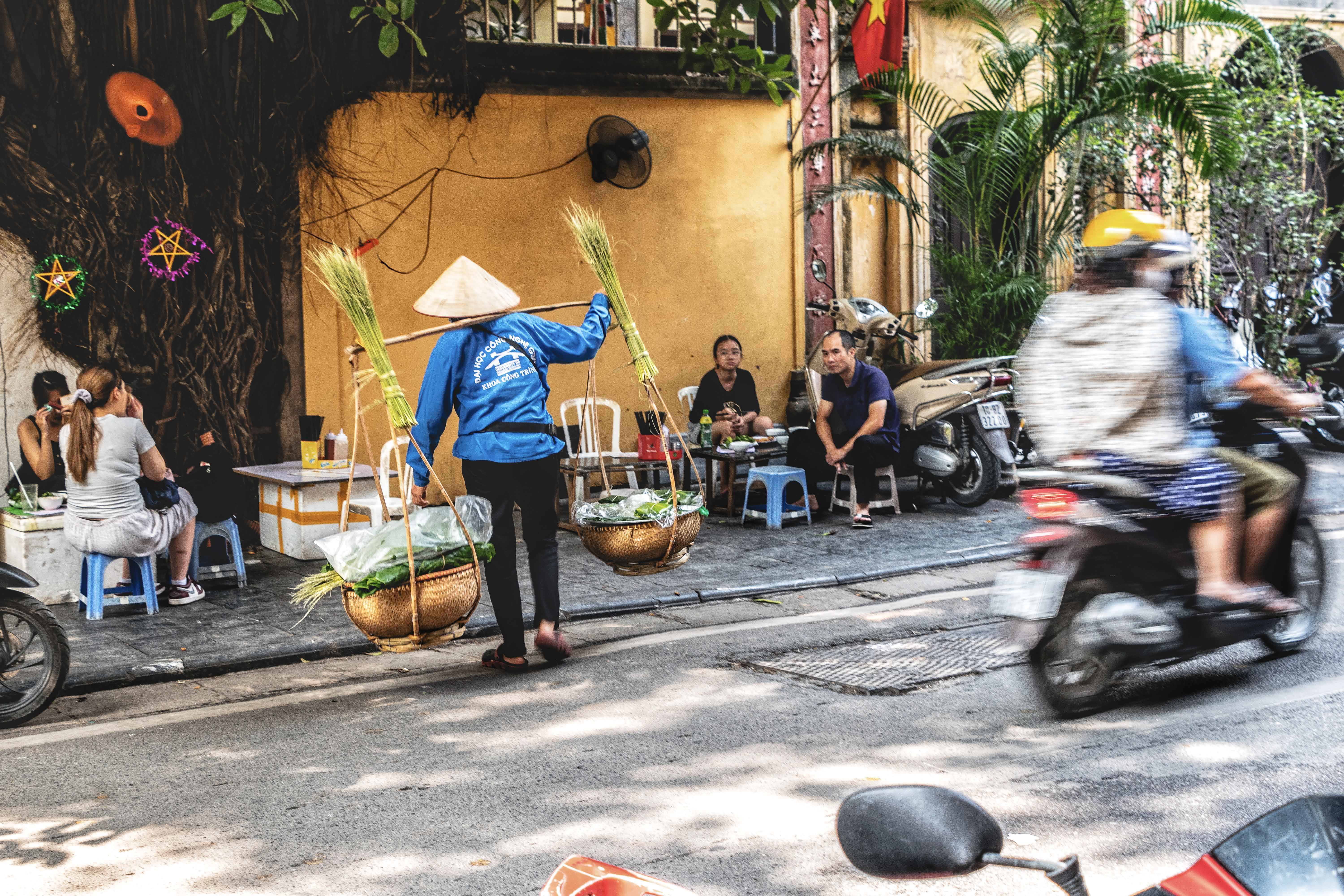
This is where you need to book your room in Hanoi. This historical city center in the capital gives you the bustling feel of this country right away. Filled with cafes, restaurants, bakeries, galleries, museums and souvenir shops, every corner in Old Quarters is filled with unique experiences. While exploring the streets, do not forget to try Pho, the Vietnamese signature dish and also, Bon Cha (my personal favourite), fried pork with rice noodles.

Hoa Lo Prison Relic
During the 19th and 20th centuries, Vietnam was under French colonial rule, and a visit to the Hoa Lo Prison Relic in Hanoi offers a haunting glimpse into that dark chapter of history. It is very close to the Old Quarters.

Hoan Kiem Lake
From the Hoa Lo Prison, take a leisurely stroll to Hoan Kiem Lake, where you can unwind and visit the picturesque Ngoc Son Temple. The walk around the lake is about a kilometer, offering views of many beautiful old buildings. On the day we visited, it was the lunar festival, transforming the entire area into a vibrant stage for cultural events, fashion shows, and bustling shopping streets. This festive atmosphere added a unique charm to our visit, making it even more memorable.
Hanoi Train Street
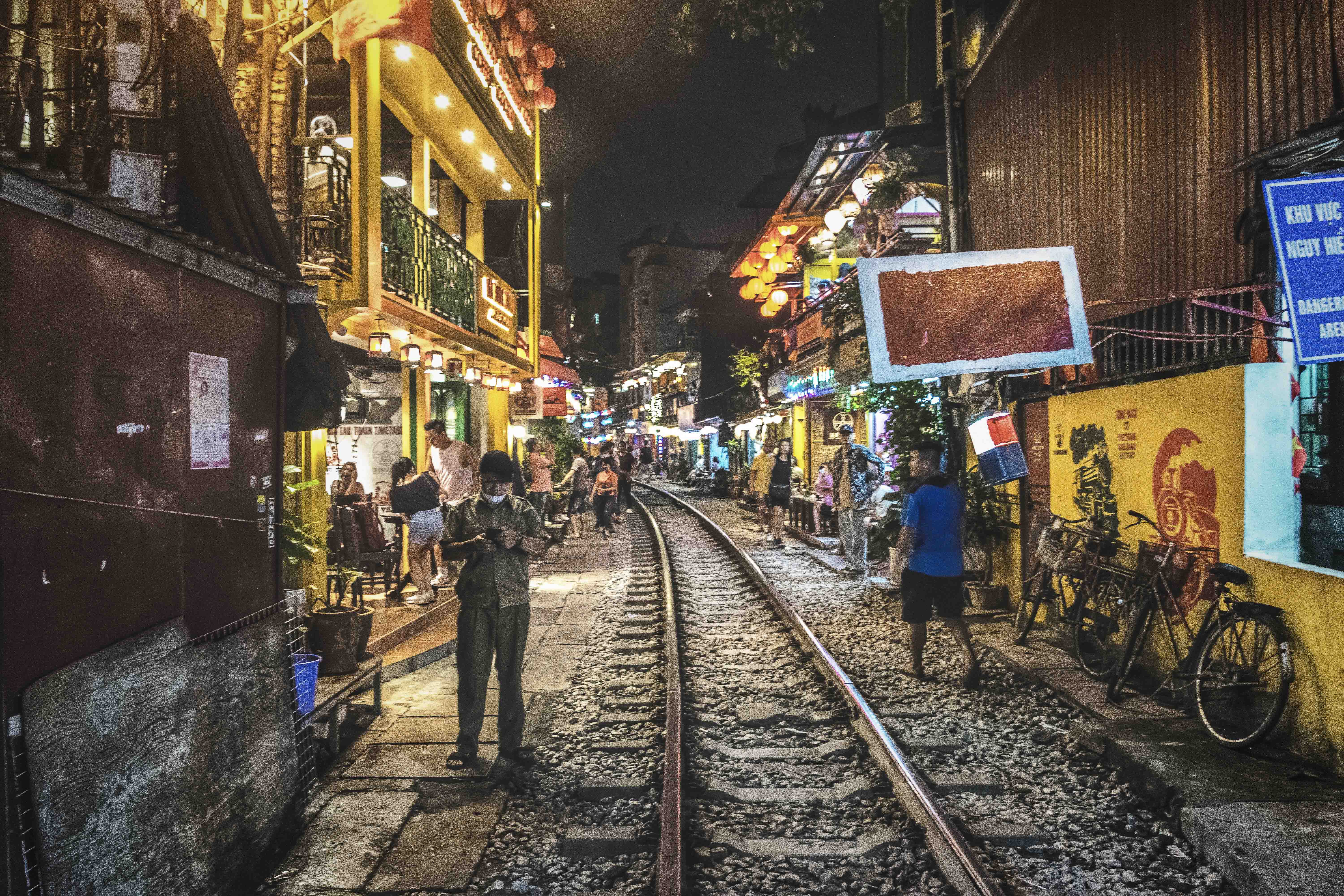
The best time to capture the iconic view of trains in Vietnam is late in the evenings. To fully experience this, you can’t miss visiting one of the charming cafes that line both sides of the railway tracks. With so many tourists flocking to snap a picture, it’s no surprise that these cafes thrive. Grab a spot in front of the cafe, order a refreshing Saigon beer or a delicious egg coffee, and settle in to watch the train go by. Just be prepared for the possibility of a long wait, as trains don’t always stick to their schedules. We ended up waiting nearly 2 hours before the train finally arrived.
Day 2: Day trip to Ha Long Bay (or Sapa/Nin Binh)
A day trip to Ha Long Bay, a UNESCO World Heritage Site meaning “Bay of the Descending Dragon,” is a must-do when in Vietnam. Cruise through stunning limestone-covered islands, starting with a kayaking adventure at Luon Cave, followed by a walking tour of the awe-inspiring Sun Sot Cave. Cap off your day with some beach time on Tiptop Island before heading back to the dock. Onboard, you’ll enjoy a delicious seafood spread for lunch, with a separate menu available for vegetarians. The trip concludes with a spectacular sunset cruise, complete with party music blaring from the deck.

For a more immersive experience, consider a multi-day cruise that allows you to stay onboard and explore even deeper into this breathtaking landscape. Unfortunately, we were short on time, so we missed out on this option.
When booking tourist attractions in Vietnam, we found it cheaper to use street travel agents rather than hotel desks. Tour companies often quote higher prices, so don’t hesitate to negotiate. Most trips include hotel pickup and drop-off along with lunch, but be prepared to pay separately for any entry tickets to attractions.

Day 3: Hanoi
If you are flying to Da Nang late at night or early on the next day, you can do another day trip to Sapa or Nin Binh from Hanoi. Since we had to take the afternoon train to Da Nang, we explored the city more on our third day.

Museum
Remember, the major museums in Hanoi are closed on Mondays, that includes Ho Chi Minh Complex, where the prominent leader of Vietname, Ho Chi Minh’s embalmed body is displayed. I was really bummed to miss out on this.
Day 4: Da Nang – Hoi An
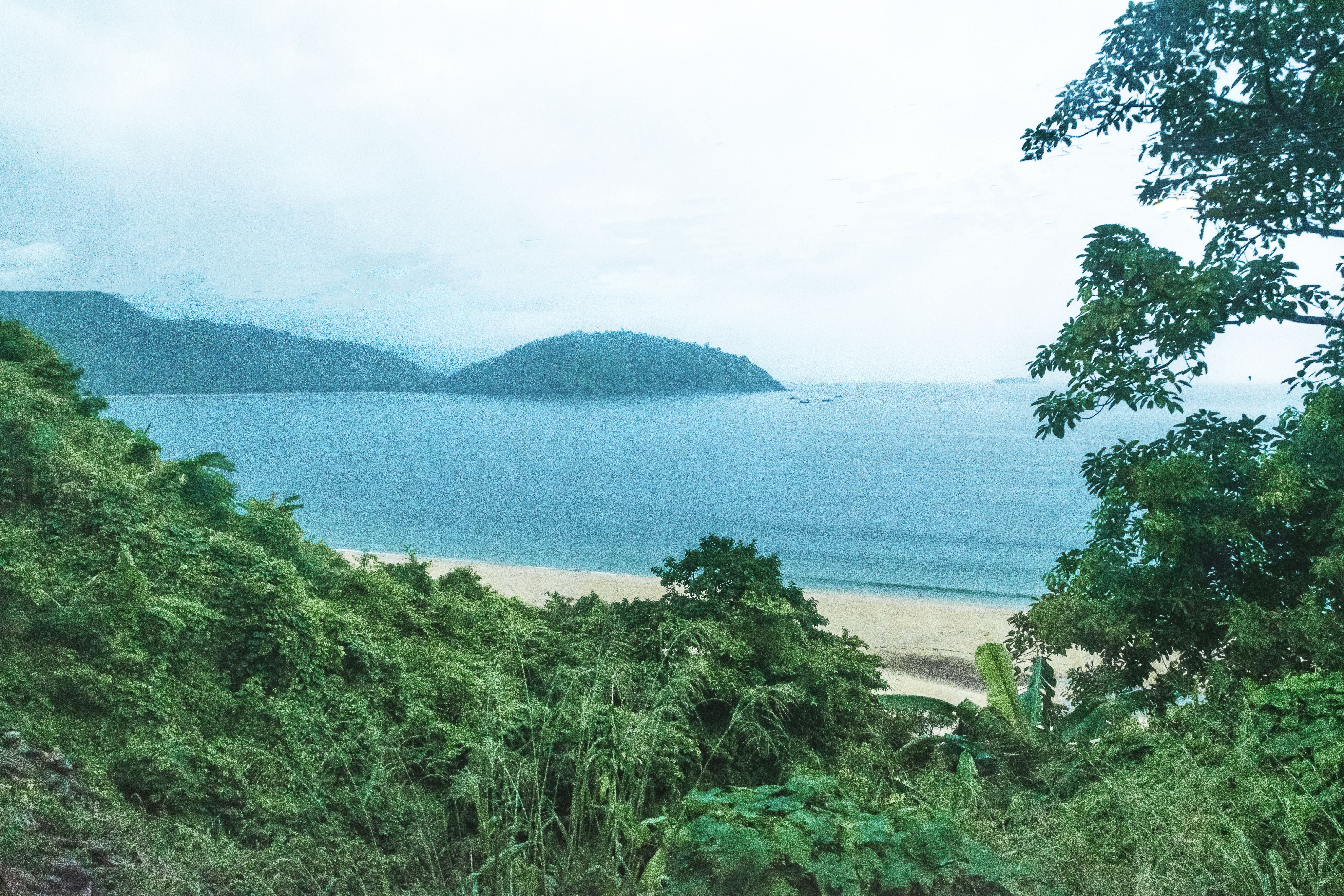
If you’re taking the train from Hanoi to Danang, be sure to glue your face to the left side of the window—this journey is renowned as one of the most scenic train rides in the world! The Hai Van Pass, which separates northern and southern Vietnam, offers breathtaking views of both ocean and lush green mountains.
Upon arriving in Danang, take a taxi to Hoi An, which is about 30 kilometers to the south. Public buses are also available for this route. If you catch the afternoon train from Hanoi to Danang, you should reach Hoi An by 10 a.m., giving you plenty of time to start exploring on your first day.

We stayed at a hotel on Cam Nam Island, just 2 kilometers from the city center, which offered shuttle services twice daily. Many hotels in Hoi An provide similar shuttle services, along with scooter and bicycle rentals for city exploration. Alternatively, you can immerse yourself in the lively streets of Hoi An on foot, as we did.

Day 5: Hoi An – Cham Islands
Our favorite experience in Vietnam was on the tranquil Cham Islands, a sleepy fishing village just 30 kilometers from Hoi An. It’s surprising how few travelers include Cham Islands in their plans, as this spot offers a serene escape from Vietnam’s bustling cities. Here, the pace of life slows down, and the island’s quiet, deserted beaches are the main attractions. We loved the peace and solitude, especially since it was off season, with only a handful of tourists on day trips for snorkeling.

To reach the island, take a ferry from Cua Dai Port, which is about 5 kilometers from Hoi An’s city center. If you’ve booked accommodation on the island, your host can likely assist with ferry tickets.
While day trips are possible, staying overnight on Cham Islands offers the best experience. I highly recommend Ngo Khanh Homestay at the island’s southern end. One of our most memorable experiences was having breakfast on a secluded beach. We paddled through the ocean with a packed breakfast on a paddleboard to reach a small, deserted beach. We were also given snorkeling masks to explore the nearby corals, though many were unfortunately bleached.
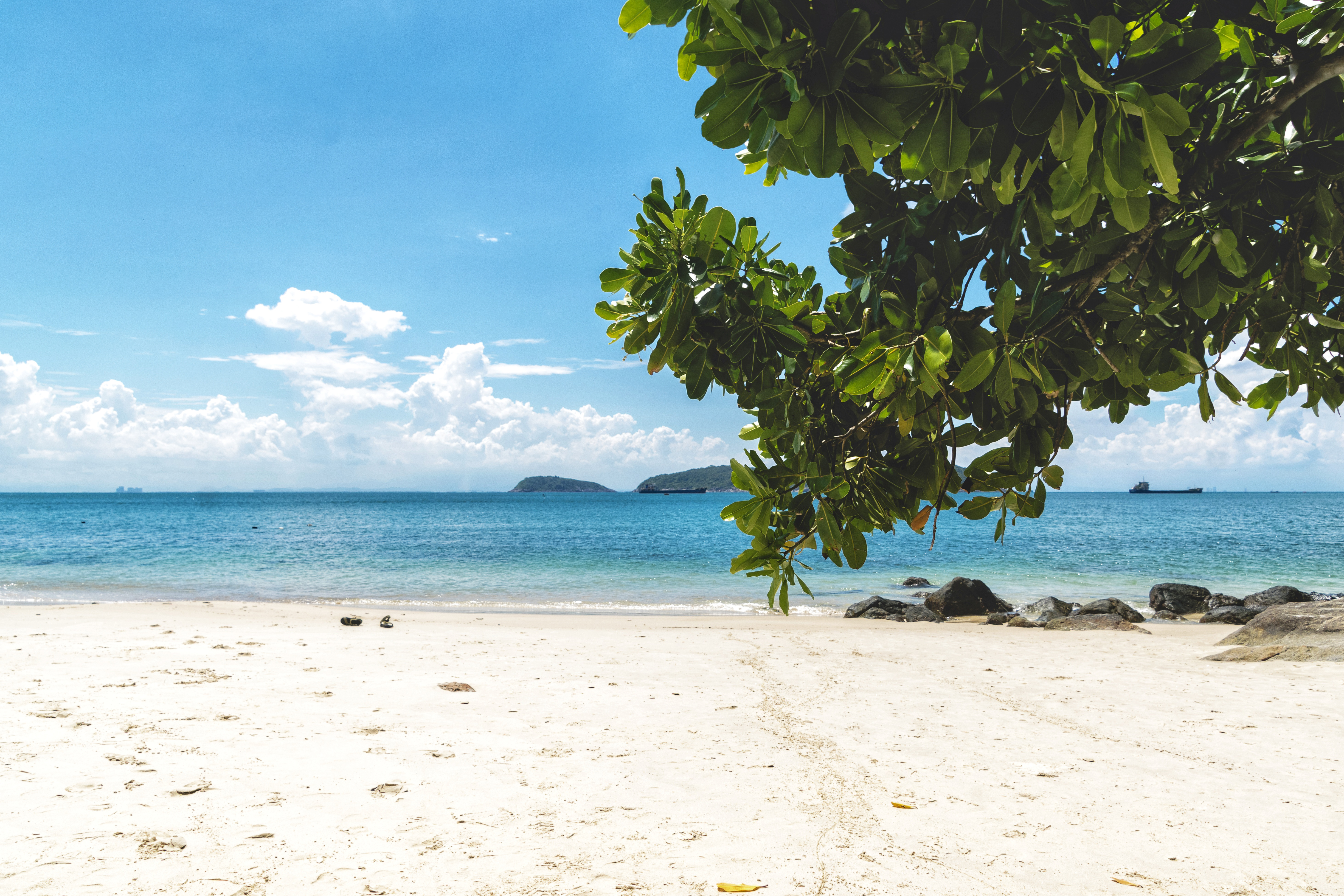
If you are not going to Cham islands, you can head to the city of Da Nang to explore it or spend some time at the lovely An Bang Beach.
Ferry
Price: 200,000 VND/person for one side
Time: Usually around 1 pm from Cham islands to Cua Dai and 1.30 pm from Cua Dai to island.
Day 6: Cham Islands – Hoi An
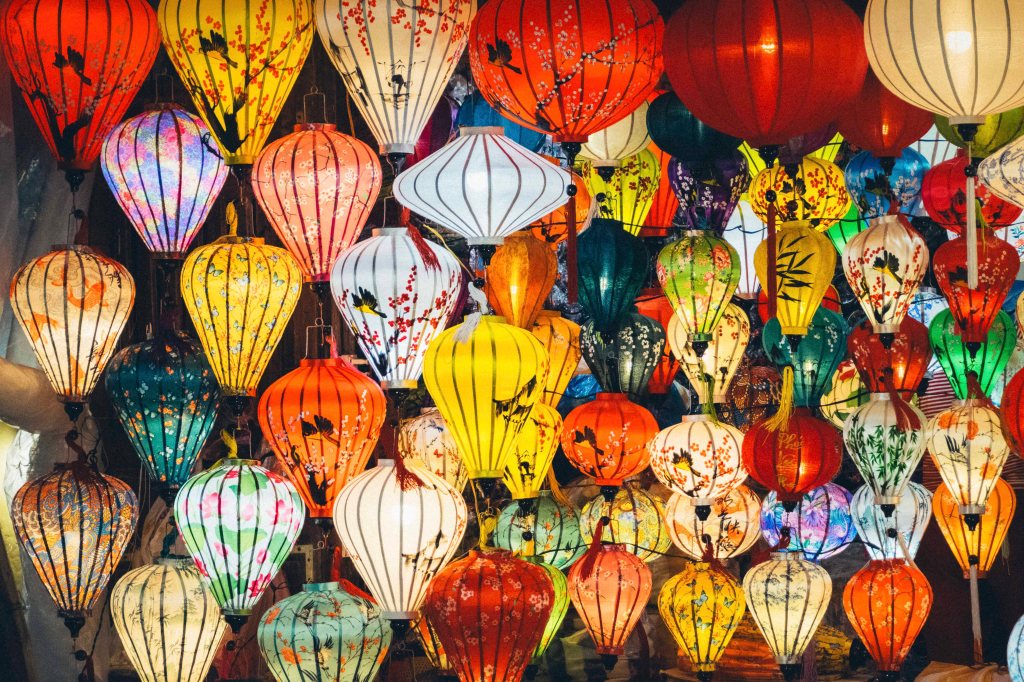
Catch the noon ferry back to Cua Dai and then return to Hoi An for the rest of the day. Spend your time wandering the charming streets of Hoi An’s Old Town, where you can shop for unique souvenirs and soak in the atmosphere. After sunset, the Hoi An night market transforms into a scene straight out of a fairy tale. Lantern-lit canoes float gently along the Hoai River, creating a magical ambiance. The tradition of lantern-making in Hoi An dates back over 400 years, and the vibrant reds, yellows, and blues light up the narrow streets with a captivating glow. For an extra touch of enchantment, you can release your own lanterns onto the river, adding to the town’s luminous charm.

Shopping
Most of the souvenirs that you see in Vietnam are available across all the big cities, so it is better to buy them from your last pit stop rather than buying earlier and carrying them everywhere. However, we saw the wider collection of ceramic pots at Hoi An and were quite upset when we couldn’t get those from Ho Chi Minh at the end of our trip.
Day 7: Day trip to Ba Na Hills or Hue
On your last day in Hoi An, you have a few fantastic options for a day trip. The most popular choice is a visit to Ba Na Hills, a private hill resort brimming with attractions that can keep you entertained all day. Highlights include the iconic Golden Bridge, an adventure park, beautiful gardens, and more. If you’re traveling with kids, this is a must—they’ll absolutely love it. You can choose between tickets that include a buffet lunch or opt for the ones without, the latter gives you the freedom to explore the various restaurants within the park.

Lush green forests surround Ba Na Hills, offering misty coverage on one side and serene panoramic views on the other. The cable car ride to the top is spectacular, providing breathtaking scenery along the way. However, in retrospect, I felt that visiting the historic city of Hue might have been more enriching. Hue’s ancient temples and forts offer a deep dive into Vietnam’s rich history, which contrasts with the modern, commercial appeal of Ba Na Hills. Keep in mind, though, that a day trip to Hue is more expensive than Ba Na Hills, as it is far from Da Nang.
Day 8: Ho Chi Minh City
Take a morning flight from Danang to Vietnam’s largest city, Ho Chi Minh City, also known by its former name, Saigon. This bustling metropolis is a fascinating blend of old and new, with its charming French colonial architecture, historic museums, and modern skyscrapers. The city is home to iconic landmarks such as the Notre-Dame Cathedral Basilica, the Central Post Office, and the War Remnants Museum, which offer deep insights into Vietnam’s rich history and culture.
Many people often mention the chaotic traffic, filled with countless motorbikes, but coming from India, it feels quite manageable! The vibrant energy of Ho Chi Minh City is comparable to Hanoi, with its own unique charm.
War Remnants Museum
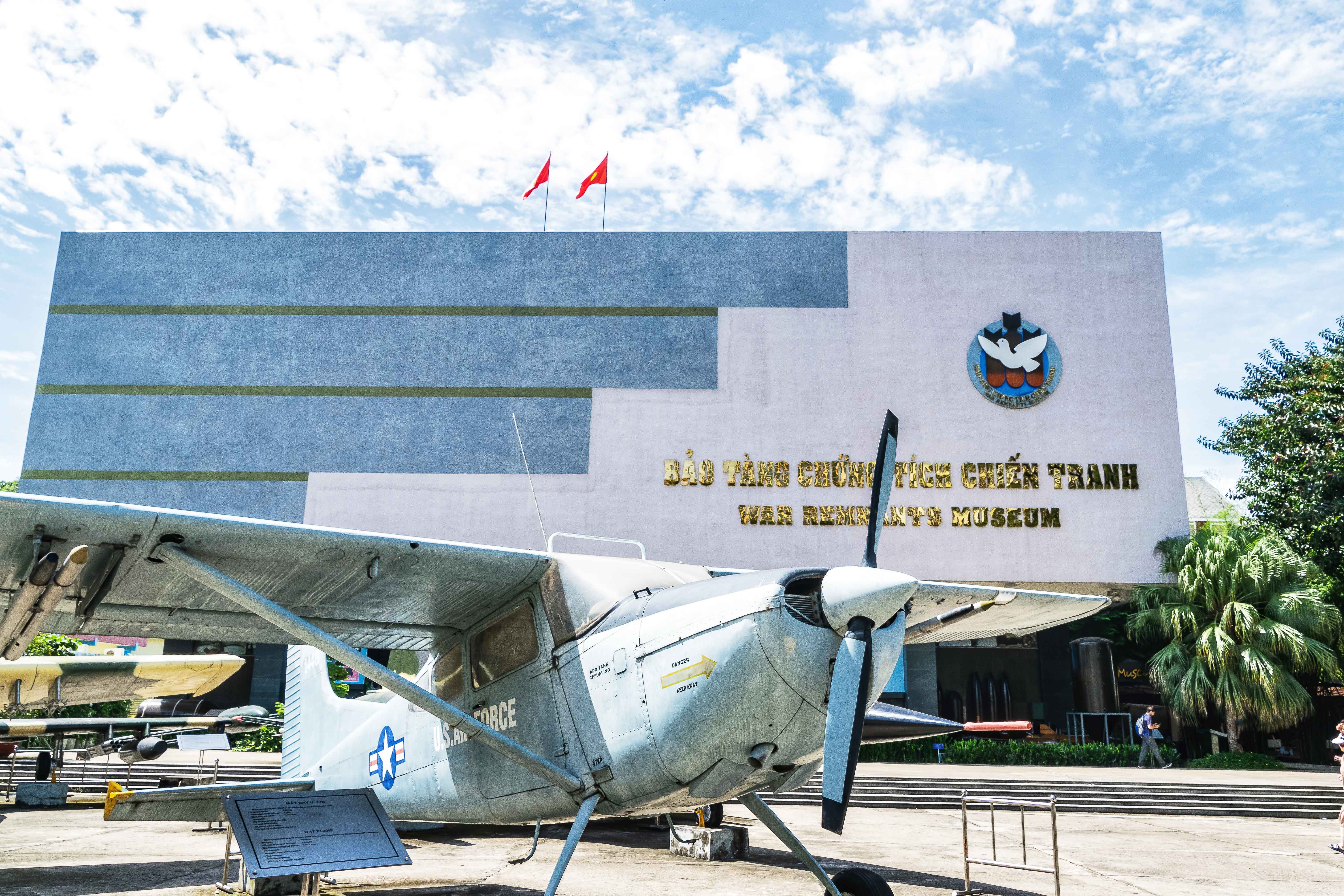
Not far from the market lies one of the must visit places in whole of Vietnam, the War Remanants Museum. To understand the impact of the invasions, the scars that left on this small country, notably from the war with the United States, there won’t be any better place. This museum contains weaponry, photographs and other artifacts collected throughout its bloody history. There are many captured American military vehicles displayed outside as well.
The Reunification or Independence Palace
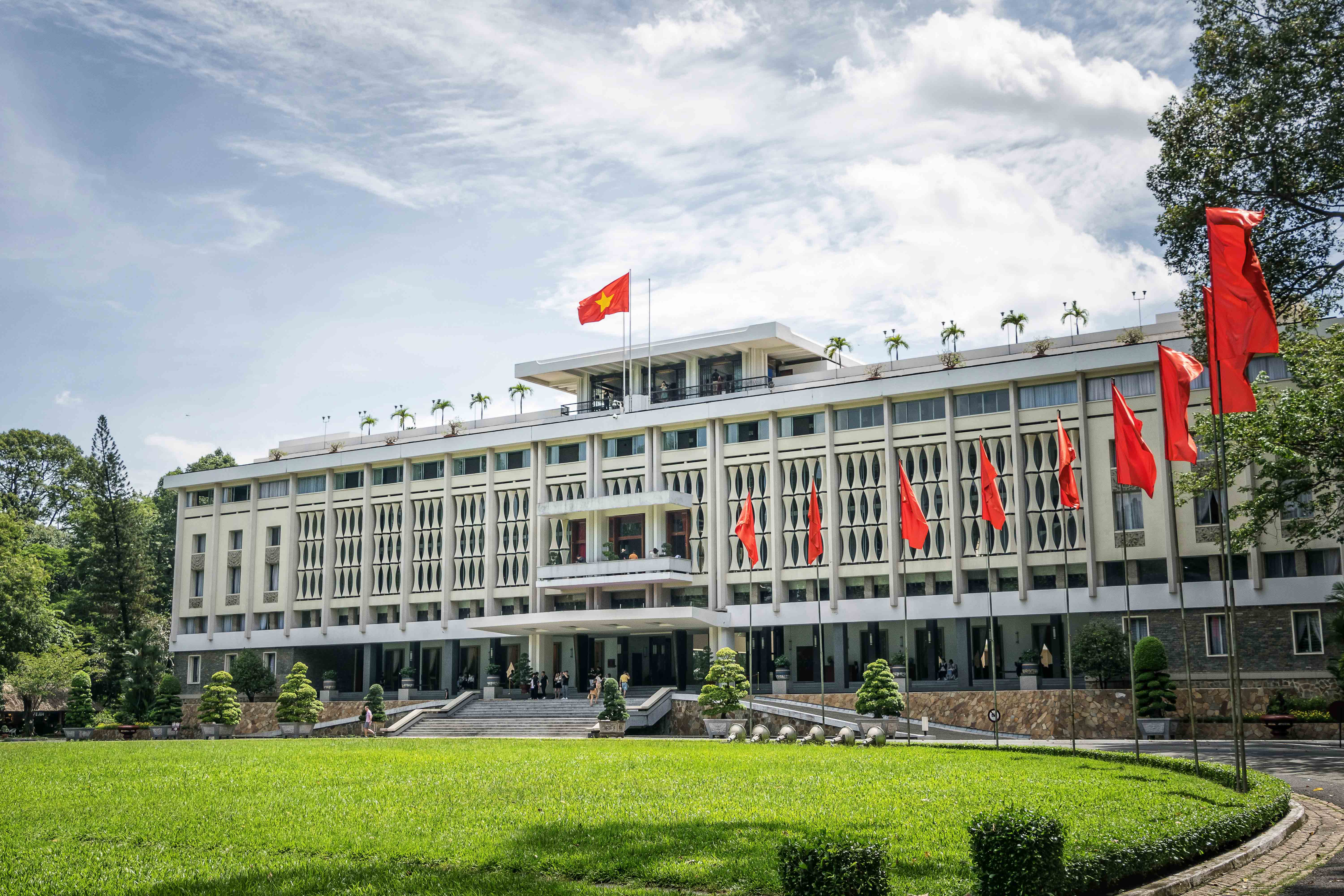
This is where it all ended. As the communists military tanks from the north crashed through the gates of the palace, sieging the victory by unifying both south and north Vietnam, the Americans started fleeing in the helicopters, an event known as the fall of Saigon. This modern palace surrounded by royal palm trees was built around 1960s by a former president. Now, it serves an important government building for official meetings. The palace is located between Ben Tang Market and the War Museum.
Ben Thanh Market
In Ho Chi Minh City, Ben Thanh Market is a central hub where you can find almost anything—from street food and groceries to fabrics and souvenirs. Located at the intersection of bustling streets, it’s hard to miss, with multiple gates offering entry points. We did most of our souvenir shopping here on our last day.
By late afternoon, the market becomes very crowded, making it difficult to navigate the narrow aisles. If possible, visit before noon to enjoy a more relaxed shopping experience. Bargaining is a must, as prices are often inflated for tourists. Here are some tips I picked up from my shopaholic wife: offer half the asking price, bargain respectfully in Vietnamese, don’t hesitate to walk away if the seller doesn’t agree, and aim for a middle ground where both you and the seller are happy with the deal.
In addition to shopping, Ben Thanh Market is a great place to immerse yourself in local culture. You can sample a variety of delicious Vietnamese street foods, such as banh mi, pho, and fresh spring rolls. The market is also a visual feast, with stalls overflowing with colorful textiles, handcrafted goods, and fresh produce. It’s an essential stop for anyone looking to experience the vibrant energy and authentic flavors of Ho Chi Minh City.
The museums in Ho Chi Minh City are open every day, unlike in Hanoi.
Public Transport
Buses are a very cheap and effective way to get around Ho Chi Minh City. We even used them for traveling to and from the airport, which is conveniently located within the city, unlike in Hanoi. Google Maps is invaluable for planning your trips, as the buses here adhere closely to their schedules, even amidst the city’s notorious traffic.
Day 9: Day trip to Cu Chi Tunnels & Mekong River Delta
One simply cannot visit Vietnam without exploring the Cu Chi Tunnels. This famous remnant of the Vietnam War showcases the depth and resilience of the Vietnamese spirit. The network of underground tunnels, where Vietnamese soldiers lived and fought during the war, is about a two-hour drive from Ho Chi Minh City and takes about half a day to visit.
At the Cu Chi Tunnels, you can walk or crawl through passages of varying lengths—20m, 40m, and 60m. I ambitiously wanted to try all of them, but gave up after navigating just the shortest one. It’s hard to imagine how those brave soldiers endured these cramped spaces during the war. It’s even more astonishing to realize that the tunnels have been widened for tourists!
Most tours combine the Cu Chi Tunnels with a visit to the Mekong River Delta, making it a one-day excursion. However, if you’re short on time and want to spend more of your day in Ho Chi Minh City, opt for a half-day tour that focuses solely on the tunnels.
After visiting the tunnels, tours typically head south to the Mekong Delta, formed by one of the world’s longest rivers, the Mekong. This river, which snakes across several countries, is a lifeline for many in Southeast Asia. As a geography buff, I was thrilled to see the Mekong River. We enjoyed a sampan ride through the narrow waterways lined with coconut palms, experiencing the rural lifestyle. We stopped by a bee house to savor local fruits and honey tea and listened to a live music performance by villagers. The combination of history at the tunnels and the serene beauty of the Mekong Delta made for a memorable day.
Day 10: Ho Chi Minh City
Take a leisurely walk down Nguyen Hue Pedestrian Street, which stretches from the stunning Ho Chi Minh City Hall to the Saigon Riverfront. Originally constructed as a canal connecting the river to the city center, this area is now a vibrant boulevard bustling with both locals and tourists.
Enjoy some last-minute shopping before you fly back home. Keep in mind that the city traffic can be quite terrible in the late evening, so leave ample time to reach the airport, as you’ll need to cut through the heart of the city to get there. This ensures you can relax and savor your final moments in Ho Chi Minh City without the stress of rushing.

Was Vietnam worth the hype? Absolutely! This country is a kaleidoscope of vibrant experiences that cater to every traveler. Our ten days here felt like living in a travel fantasy—we were reluctant to say goodbye. Will we return to uncover more of this incredible country?
Well, as Viet Jet’s melodious touchdown anthem suggests: One day I’ll touch your soil, One day I’ll finally know your soul, One day I’ll come to you, To say hello…. Vietnam






 Notes From Dreams
3 responses to “Unveiling Vietnam: 10-Day Itinerary”
What are the odds Nachiketas. I was searching for a travel trip to Vietnam and ended up here on your blog.
Well, we both worked in Nivea & I heard about you. 🙂
LikeLiked by 1 person
Hey hi, sorry I think you might have got me confused with someone else! I have never worked in Nivea. But I hope you like my blog 😛
LikeLike
https://inboundvietnam.com/tours/discover-natural-wonders-and-cultural-heritage-of-vietnam
LikeLike